

Discover how mental health and sleepmaxxing is transforming mental health in 2025. Learn practical strategies to improve sleep quality, reduce anxiety, and enhance emotional wellness naturally.
Introduction:
In 2025, the global conversation around mental health has evolved from managing stress to optimizing the mind-body connection. A central theme in this shift is “sleepmaxxing” — the practice of intentionally upgrading sleep quality to support cognitive, emotional, and physical well-being.
With rising rates of anxiety, burnout, and digital fatigue, the demand for natural, sustainable mental health strategies is growing. Sleepmaxxing provides a science-backed approach to help you heal, recharge, and thrive — all while you sleep.
Table of Contents
What is Sleepmaxxing?
Sleepmaxxing refers to the process of optimizing your sleep to achieve maximum mental and physical recovery. It’s about more than just getting 7-9 hours of sleep — it involves enhancing sleep quality, improving circadian alignment, and minimizing disruptions to unlock deep, restorative rest.

Key elements of sleepmaxxing include:
- Regulating sleep cycles
- Limiting blue light exposure
- Supporting melatonin production
- Managing stress hormones (like cortisol)
- Creating a personalized sleep ritual
The Connection Between Sleep and Mental Health:
According to the American Psychological Association, chronic sleep deprivation can lead to increased risk of:
- Depression
- Anxiety
- Mood swings
- Memory problems
- Reduced focus and decision-making
When you’re sleep-deprived, your amygdala (emotion center) becomes overactive while your prefrontal cortex (logic center) underperforms — leading to poor emotional control and higher stress reactivity.
Conversely, high-quality sleep helps:
- Regulate mood
- Reduce irritability
- Improve concentration
- Enhance creativity and problem-solving
- Support resilience against daily stressors
Signs You Need to Sleepmax:
If you experience any of the following, your mental health may benefit from sleepmaxxing:
- Trouble falling or staying asleep
- Feeling tired even after 8 hours of sleep
- Frequent nightmares or restless dreams
- Waking up multiple times during the night
- Brain fog or lack of motivation
- Increased irritability or emotional overwhelm
- Anxiety or panic symptoms peaking at night
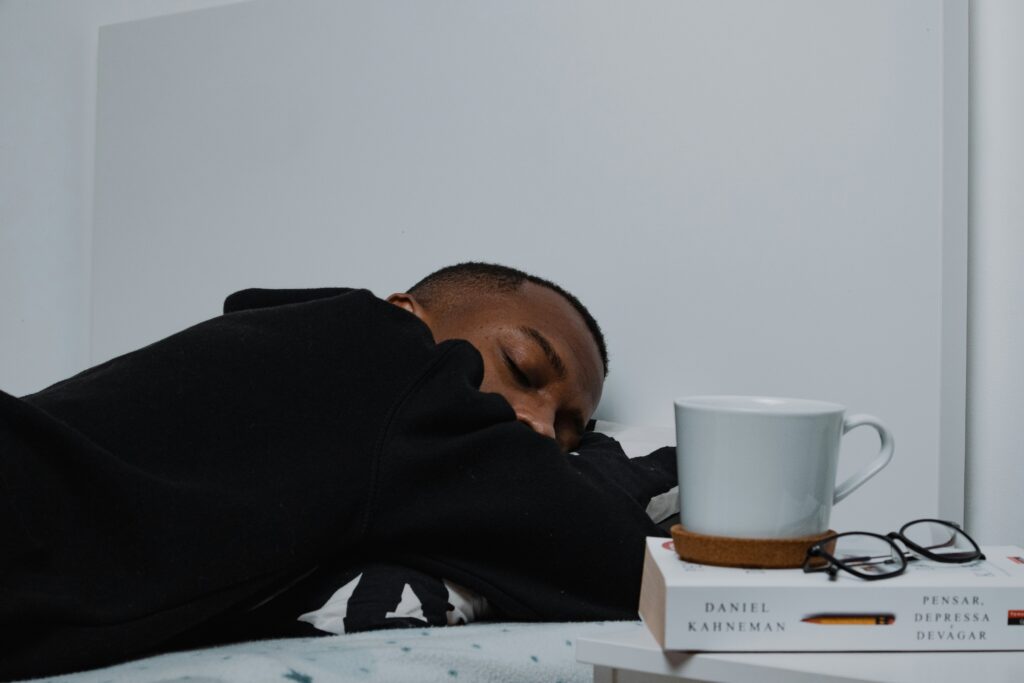
Top Sleepmaxxing Strategies for Better Mental Health:
1. Establish a Sleep Schedule:
Go to bed and wake up at the same time daily — even on weekends. This strengthens your circadian rhythm and promotes deeper sleep cycles.
2. Avoid Blue Light at Night:
Screens suppress melatonin. Use blue-light blocking glasses or activate night mode after sunset.
3. Wind Down 60–90 Minutes Before Bed:
Practice calming activities like:
- Journaling
- Gentle yoga
- Listening to calming music
- Deep breathing exercises
4. Reduce Evening Stimulants:
Avoid caffeine, nicotine, and heavy meals after 6 PM. These disrupt your body’s ability to relax and prepare for sleep.
5. Use a Weighted Blanket:
Weighted blankets promote a feeling of safety and help reduce anxiety by triggering deep pressure stimulation — similar to a hug.

Foods and Supplements That Support Restorative Sleep:
Top Sleep-Boosting Foods:
Bananas: Rich in magnesium and potassium for muscle relaxation
Kiwi: Contains serotonin to aid sleep onset
Tart cherries: Naturally high in melatonin
Almonds & walnuts: Contain tryptophan and magnesium
Oats: Promote serotonin production
Helpful Natural Supplements:
Melatonin: For circadian rhythm reset
Magnesium glycinate: Reduces anxiety and promotes muscle calm
Ashwagandha: Adaptogen that supports mental relaxation
L-theanine: Amino acid that eases stress and promotes calm focus
5-HTP: Boosts serotonin levels, improving mood and sleep
Pro Tip: Always consult a doctor before using supplements — especially if you’re on medications.
Sleepmaxxing Tools and Apps:
Best Sleep Tracking Apps in 2025:
Sleep Cycle: Wakes you in the lightest sleep phase
Calm: Offers sleep stories, meditations, and breathing tools
Pzizz: AI-powered sleep audio tailored to your brainwave state
Oura Ring or Whoop Strap: Track sleep stages, HRV, and recovery metrics
Bonus Tools:
White noise machines
Smart blackout curtains
Circadian light alarm clocks (simulate sunrise)
How to Create a Sleep-Friendly Environment:
Sleep Sanctuary Checklist:
Creating a calm, cave-like environment helps signal your body that it’s time to sleep.
Mental Health Therapies That Complement Sleepmaxxing:
Incorporating mental wellness practices alongside sleepmaxxing enhances the results exponentially:
Cognitive Behavioral Therapy for Insomnia (CBT-I)
The gold standard for chronic sleep issues — retrains your brain to build healthier sleep associations.
Mindfulness Meditation:
Lowers cortisol, enhances self-awareness, and reduces intrusive thoughts before bed.
Journaling:
Brain-dumping thoughts before bed helps reduce mental clutter and nighttime anxiety.
Talk Therapy:
Helps address trauma, anxiety, or emotional patterns that may be causing sleep disruptions.
Final Thoughts: Prioritize Rest to Reclaim Your Mental Health:
The relationship between mental health and sleep is no longer a mystery. With the rise of sleepmaxxing, we’re learning that intentional, high-quality sleep is not a luxury — it’s a necessity.
Whether you’re struggling with anxiety, burnout, or simply want to perform better in daily life, upgrading your sleep may be the most natural and affordable way to transform your mind, body, and mood.

FAQs:
Q1. How many hours of sleep do I need to support mental health?
Most adults need 7–9 hours of sleep nightly, but quality matters more than quantity.
Q2. Can poor mental health cause insomnia?
Yes. Anxiety, depression, and chronic stress often lead to sleep disruptions and vice versa.
Q3. What’s the best time to go to bed?
Aim to sleep before 11 PM, when melatonin levels peak. Try syncing your routine with your chronotype (early bird or night owl).
Q4. Is napping helpful for mental health?
Short naps (15–30 mins) can restore alertness but avoid late afternoon naps which may affect nighttime sleep.
Q5. How long does it take to see results from sleepmaxxing?
With consistent habits, most people see improvement in 7–14 days, including better mood, clarity, and sleep depth.
Want More Articles That Are Important For Your Health? You Can Check Here: