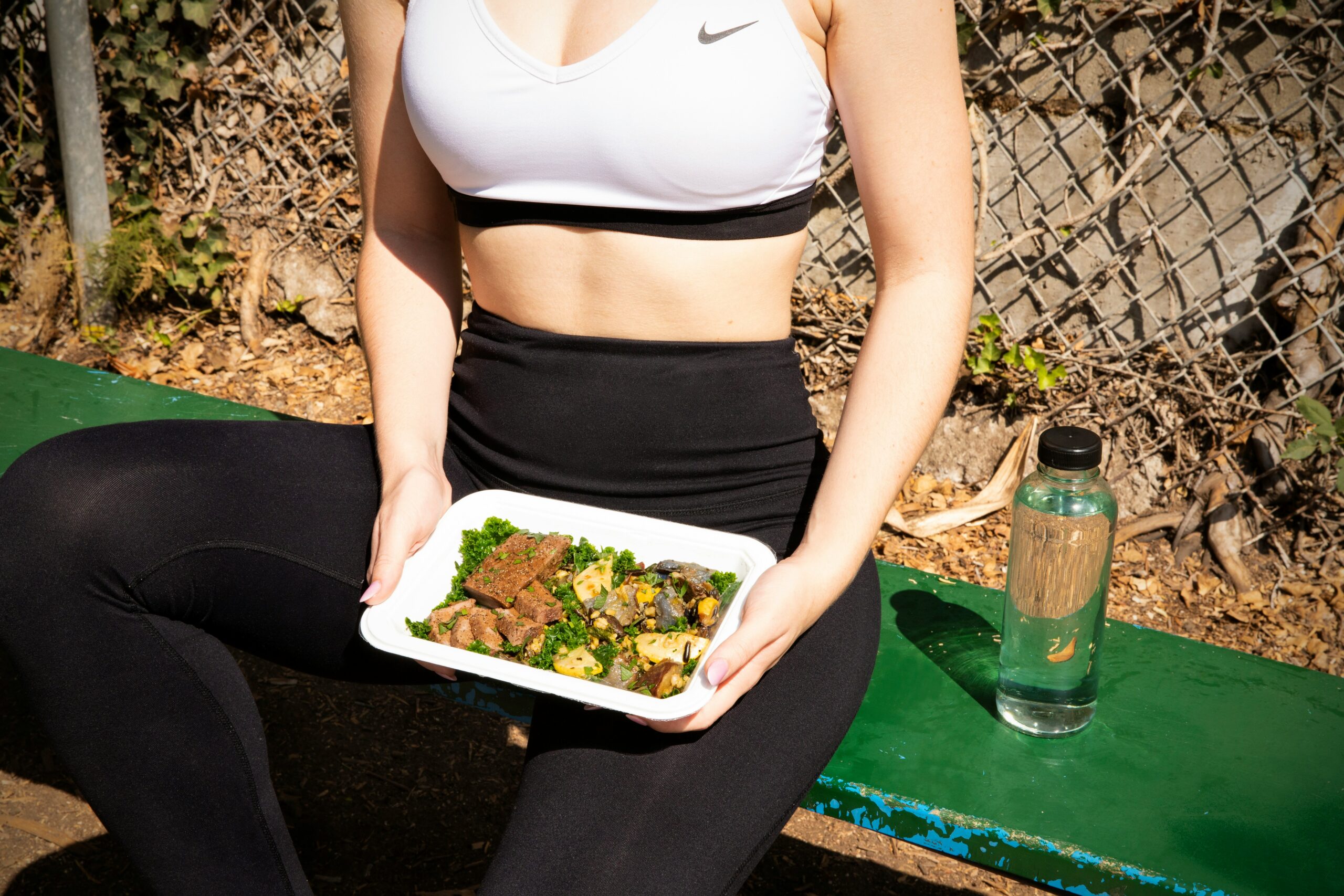
Today we’ll discover How Much Protein Do You Really Need for Muscle Gain and Fat Loss? the science-backed answer to how much protein you really need for muscle gain and fat loss. Includes daily intake recommendations, timing tips, and food sources to optimize your fitness goals.
How-much-protein-for-muscle-gain-fat-loss?
Introduction:
Protein is often called the building block of life—and for good reason. Whether you’re aiming to build lean muscle, burn fat, or simply stay healthy, your protein intake plays a crucial role in achieving your fitness goals. But how much protein do you really need? Is more always better? Let’s explore everything you need to know about protein intake for muscle gain and fat loss.
Table of Contents
What is Protein and Why Is It Important?
Protein is a macronutrient made up of amino acids that help build and repair tissues, including muscles. Unlike carbohydrates and fats, your body doesn’t store protein for future use, which means regular consumption is essential.
Key Roles of Protein:
- Muscle repair and growth
- Hormone and enzyme production
- Immune function
- Satiety and appetite control

Recommended Daily Protein Intake: General Guidelines!
The Recommended Dietary Allowance (RDA) for protein is 0.8 grams per kilogram of body weight for the average sedentary adult. However, if you’re physically active or pursuing body composition goals, you need significantly more.
Protein Needs Based on Activity Level:
| Activity Level Protein Intake (g/kg of body weight) |
| Sedentary 0.8 g |
| Light Activity 1.0–1.2 g |
| Strength Training 1.4–2.0 g |
| Endurance Training 1.2–1.6 g |
| Fat Loss Phase 1.6–2.4 g |
Example: If you weigh 70 kg (154 lbs) and are doing strength training, your daily protein needs would be between 98–140 grams.
Protein for Muscle Gain:
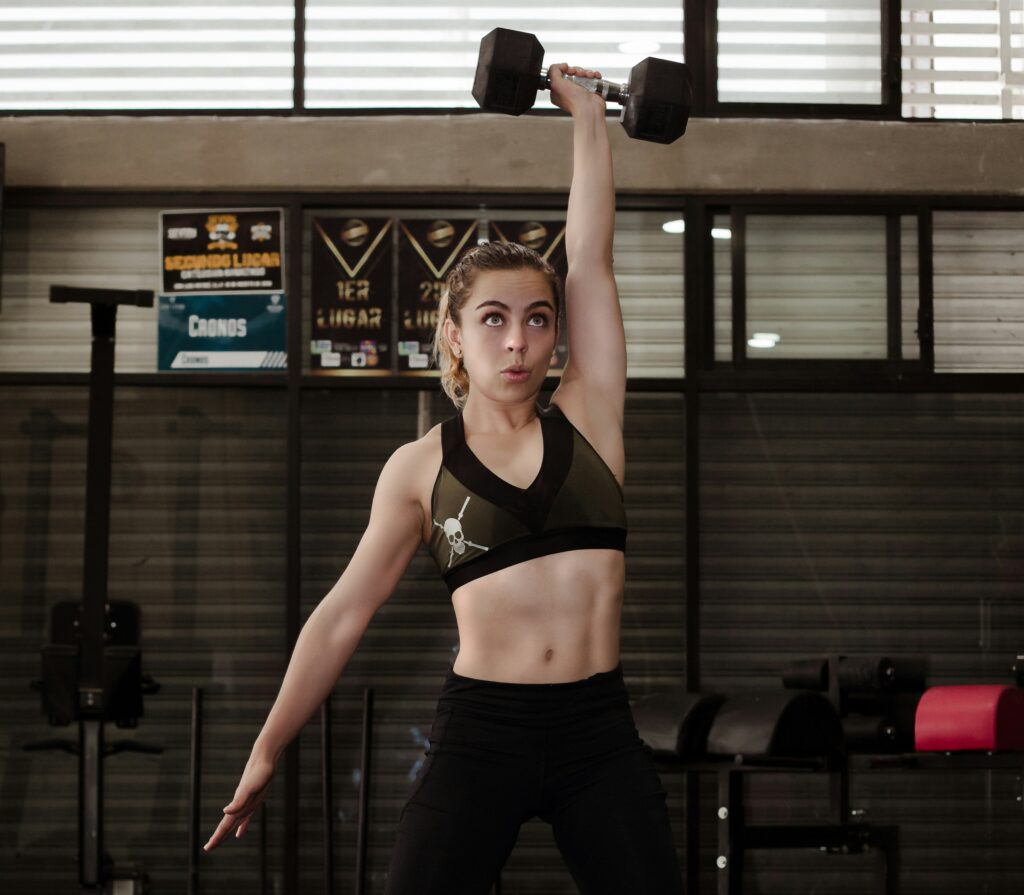
To build muscle effectively, your body needs more protein to repair and grow muscle tissue broken down during resistance training.
Key Guidelines:
Protein Range: 1.6–2.2 g/kg of body weight
Meal Timing: Spread protein intake evenly across 4–6 meals
Protein per Meal: 20–40 grams, depending on body size
Pre/Post Workout: Prioritize protein within 2 hours after workouts
Tip: Aim for 0.4 g/kg per meal. For a 70 kg person, that’s ~28 grams per meal.
Protein for Fat Loss:
When you’re in a calorie deficit to lose fat, your body may break down muscle tissue along with fat. Protein helps preserve lean muscle while promoting fat loss
.Protiens that Burns Fat Naturally
Key Guidelines:
Protein Range: 1.8–2.4 g/kg of body weight
High Protein = Higher Satiety: Reduces cravings and hunger
Thermic Effect: Protein burns more calories during digestion
Prevents Muscle Loss: Essential when calories are restricted
Tip: Opt for lean protein sources to stay in a calorie deficit without sacrificing protein quality.
How Much Protein is Too Much?
There’s a myth that too much protein is harmful to the kidneys, but no research supports this in healthy individuals.
Safe Upper Limit: Up to 3.5–4.0 g/kg is considered safe for healthy adults, but it offers no added benefit beyond 2.4 g/kg for most.
Protein Timing: When to Eat Protein for Best Results
Spread Intake Throughout the Day:
Rather than eating a massive serving at once, distribute protein evenly across meals for maximum absorption.
Post-Workout Protein:
After training, your muscles are primed for repair. Consuming 20–40 grams of high-quality protein helps kickstart muscle protein synthesis.
Before Sleep:
A slow-digesting protein like casein before bed supports overnight muscle repair and growth.
Best Protein Sources:
- Animal-Based Proteins:
- Chicken breast
- Turkey
- Eggs and egg whites
- Greek yogurt
- Whey protein
- Fish (salmon, tuna, cod)
- Plant-Based Proteins:
- Lentils
- Chickpeas
- Quinoa
- Tofu and tempeh
- Edamame
- Pea protein
How to Calculate Your Protein Needs:
1. Convert your weight from pounds to kilograms: divide by 2.2
2. Multiply your weight in kg by your protein goal (e.g., 2.0 g/kg)
Example: 154 lbs / 2.2 = 70 kg → 70 x 2.0 = 140 grams of protein/day
Use apps like MyFitnessPal or Cronometer to track daily intake.
Protein Myths Debunked:
Myth 1: High Protein Damages Kidneys
Fact: No studies show kidney damage in healthy individuals.
Myth 2: You Can Only Absorb 30g of Protein per Meal
Fact: Your body absorbs and utilizes more; 30g is not a strict limit.
Myth 3: Plant Proteins Are Inferior
Fact: Plant proteins can be just as effective when combined properly.
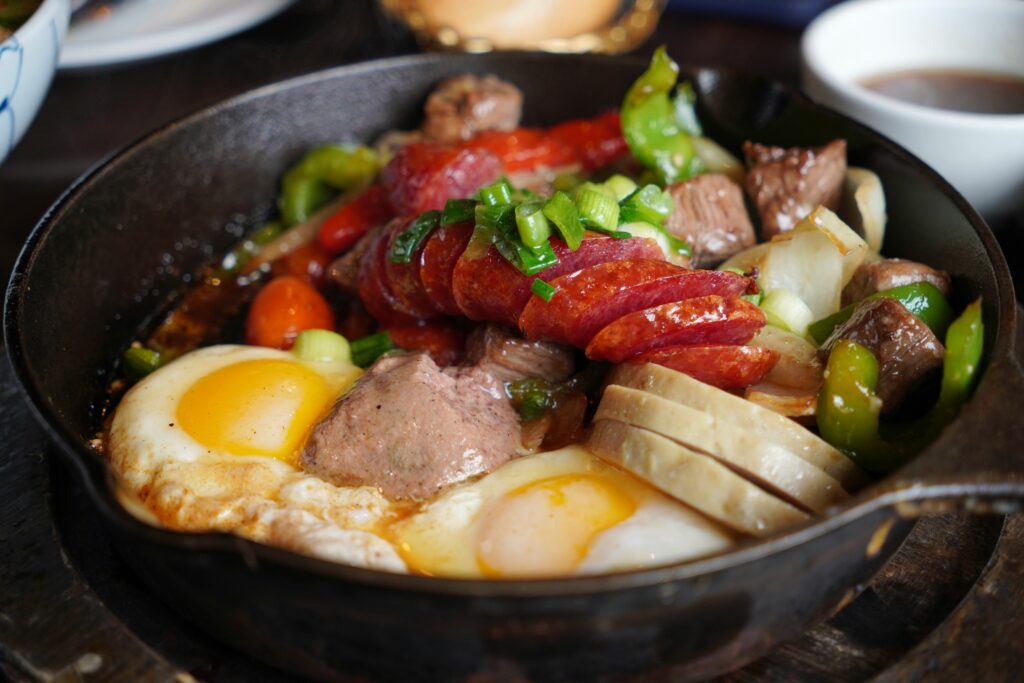
Sample High-Protein Meal Plan (For Muscle Gain):
Breakfast:
It must include 3 eggs + 2 egg whites
Can also add 2 slices whole grain toast
With Greek yogurt with berries
Lunch:
Can eat grilled chicken breast
Including brown rice and vegetables
Can also add Avocados
Snack:
Eat whey protein shake
With handful of almonds
Dinner:
You should eat Baked salmon
With quinoa salad
Including steamed broccoli
Before Bed:
Cottage cheese or casein protein
Total Protein: ~140–160g
FAQs:
Q1. Can I build muscle without supplements?
Yes. Whole food sources like eggs, meat, and dairy are excellent. Supplements are just convenient.
Q2. Do older adults need more protein?
Yes, due to anabolic resistance. Aim for 1.2–1.6 g/kg.
Q3. Is intermittent fasting bad for muscle gain?
It can work, but it limits protein feeding opportunities, which may hinder gains.
Final Thoughts:
Protein is essential for both muscle gain and fat loss, but the amount you need depends on your goals, weight, and activity level. Instead of relying on guesswork or myths and others wrong talkative problems, use the scientific approach outlined here to personalize your protein intake.
Whether you’re cutting, bulking, or just maintaining, getting your protein right can be the game-changer in your health and fitness journey.
Ready to reach your goals faster? Subscribe to our blog for expert nutrition tips, high-protein recipes, and recovery strategies delivered daily!
You can also check our latest articles for your Healthcare:
Morning Routine for Weight Loss & Energy
Visit our website for more articles related to health: